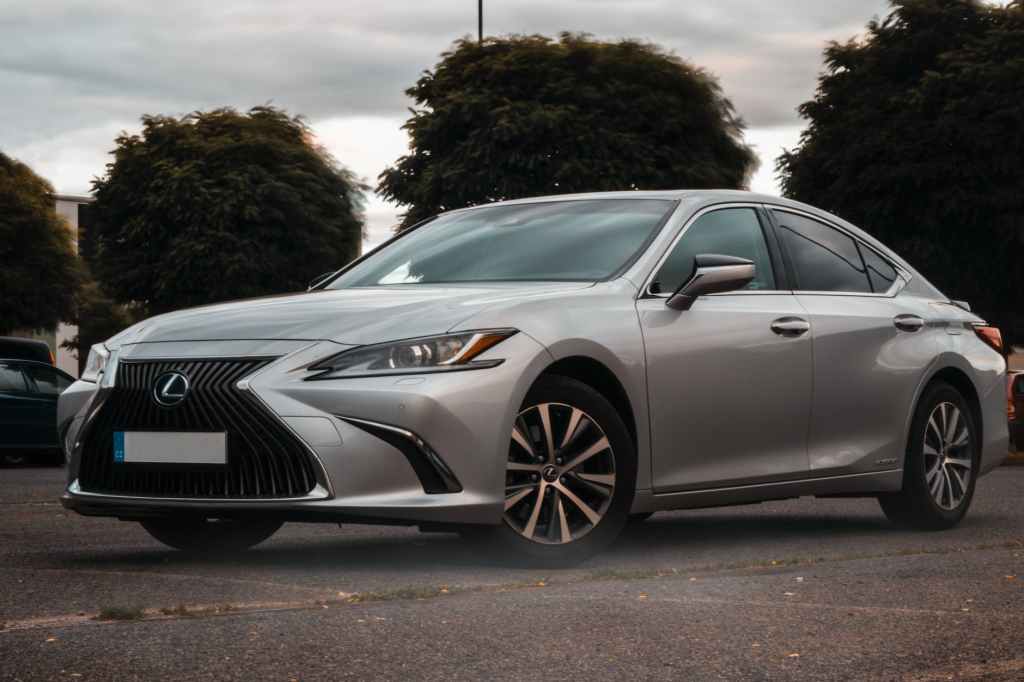
Hybrid cars have gained immense popularity in recent years, thanks to their eco-friendly nature and improved fuel efficiency. These vehicles combine an internal combustion engine with an electric motor, resulting in reduced emissions and increased mileage. However, like any other technology, hybrid cars also come with their own set of disadvantages. Let’s take a closer look at some of the drawbacks of hybrid cars.
High Cost: One of the major disadvantages of hybrid cars is their price tag. Hybrid technology is still relatively new and expensive to produce, which translates into higher sticker prices for these vehicles. The initial cost of purchasing a hybrid car is typically higher compared to a conventional gasoline-powered vehicle.
Limited Battery Life: Hybrid cars rely on a battery pack to power the electric motor. While these batteries have improved over the years, they still have a finite lifespan. After a certain number of years or mileage, the battery will need to be replaced, which can be quite costly. This additional expense can offset the fuel savings realized from driving a hybrid car.
Limited Range: Hybrid cars primarily operate on a dual-power system. While this allows for increased mileage, it also means that the range of these vehicles tends to be limited. Once the battery charge is depleted, the internal combustion engine takes over. This can be problematic for drivers who frequently cover long distances or live in areas with limited charging infrastructure.
Less Power: Hybrid cars tend to offer less overall power compared to their traditional gasoline counterparts. The electric motor in hybrid vehicles is not designed for high-speed performance or quick acceleration. This can be a disappointment for those who enjoy a more spirited driving experience.
Difficulty in Maintenance: While hybrid cars require regular maintenance, they also necessitate specialized servicing. Not all mechanics are trained to work on hybrid vehicles, so finding a qualified technician can be a challenge. Additionally, the complexity of hybrid technology means that repairs and replacements can be more expensive and time-consuming.
Limited Model Options: Although hybrid vehicles have seen significant growth in recent years, the number of model options available in the market remains limited. Buyers may find it difficult to find a hybrid car that matches their specific requirements in terms of size, style, or features.
In conclusion, while hybrid cars offer several advantages such as improved fuel efficiency and reduced emissions, they also have their fair share of disadvantages. These include high initial costs, limited battery life, restricted range, reduced power, specialized maintenance requirements, and limited model options. Before deciding on a hybrid car, it is important to carefully weigh these disadvantages against the potential benefits to determine if it is the right choice for your specific needs and circumstances.

 OWN NEW CAR